Your one stop for condo insurance.
Stop calling agent after agent for one quote each. One call, and a licensed agent shops your HO-6 with several insurance companies, A-rated options included, then lays the offers side by side. You pick.
You are in the right place. Keep reading for the answer, or call and let the shopping start now.
Orlando condo unit owners
Condo Insurance Orlando
The licensed agent behind this site compares HO-6 quotes from several companies, and for many Orlando condo owners the first question is use, not wind: a policy is written around who lives in the unit, so a rented, seasonal or out-of-state unit has to be described plainly before a quote means much.
Below: Orange County's wind record, the Florida rules that set your share, and where Citizens fits.
- One call, not ten
- Several companies shopped for you
- No obligation: a quote never binds
Compare my condo quotes
Several companies, side by side. You decide.
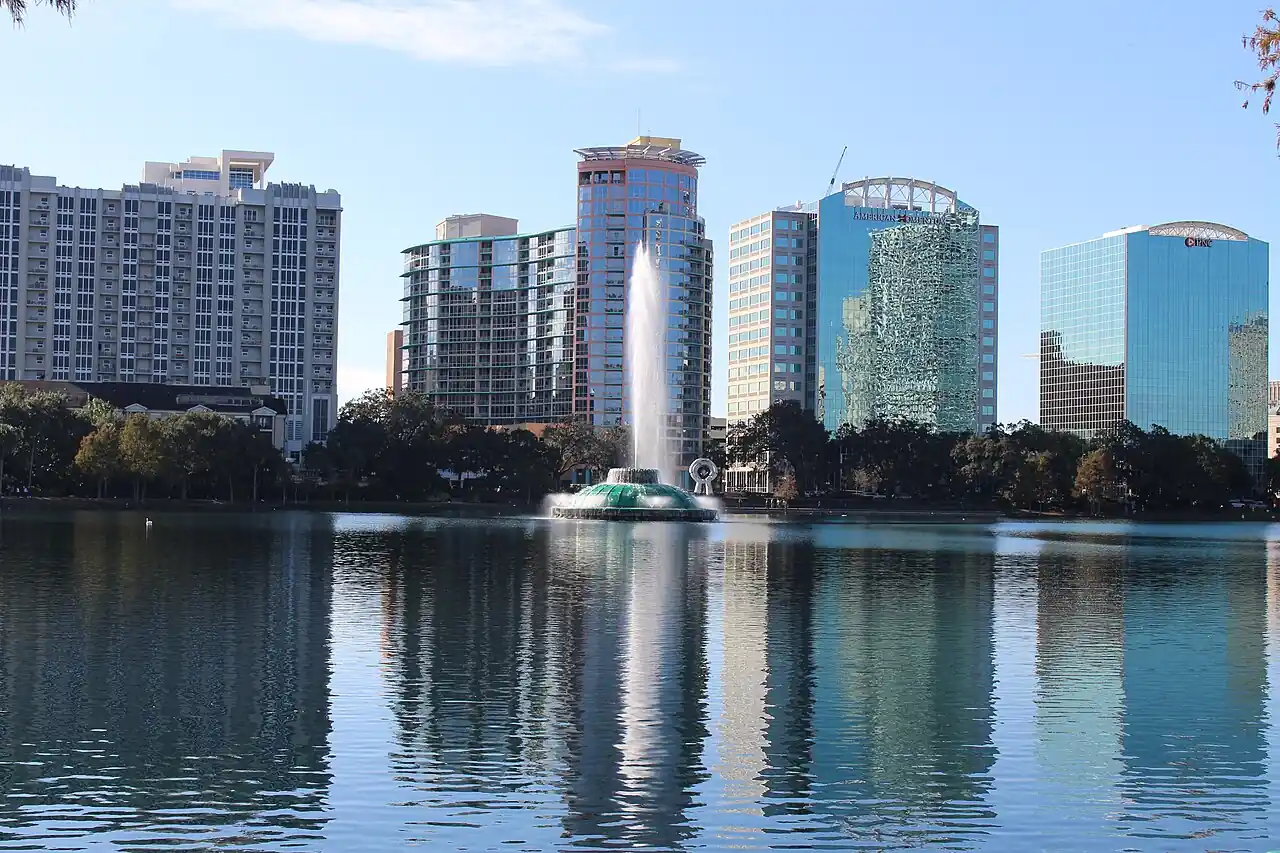
High-rise residential and office towers around Lake Eola in downtown Orlando, Orange County. Photo: Michael Rivera, CC BY-SA 4.0, via Wikimedia Commons.
Say how the unit is used before any quote
A policy written for an owner who lives there may not fit a unit you lease out or visit only in certain months.
- A lease, short stays and seasonal use differ
- A rented unit often needs an endorsement
- Your tenant's things are not on your policy
If you own an Orlando unit but live somewhere else, expect every insurer to ask about it. Occupancy changes the theft, liability and water picture, and a form written for an owner in residence can read differently once someone else holds the keys.
A unit leased to a tenant usually calls for a rental endorsement; the HO-6 policy form guide explains what those added pages change. Your tenant's furniture and clothes belong on the tenant's own renters policy (an HO-4), not on yours.
Go deeper: four ways owners use a unit, and what to tell the insurer
- A yearly lease. Name the arrangement, and ask whether the quote includes a rental endorsement and liability suited to a unit you do not occupy.
- Short stays for visitors. Some companies treat nightly or weekly guests differently from a lease, and some associations restrict them. Read the declaration and the rules, then tell the insurer exactly how bookings work.
- A seasonal home. If you spend part of the year in the unit and close it the rest, say so. Many forms narrow certain coverage once a unit has sat unoccupied or vacant for a stretch, and the wording sets how long.
- A relative living there. A family member who stays rent-free is still a question of use. Ask how the policy treats them.
Coverage D pays living costs above your normal ones when a covered loss leaves the unit unfit to live in and you have to move out for a while1. When you are not the one living there, ask whether your form also pays rent you lose during repairs. Many do; check your policy.
Away for months? Plan for the leak nobody sees
A slow leak in an empty unit can run unnoticed. Your HO-6 and the master policy then split the damage along Florida's list.
- Shut off the water before a long absence
- Have someone check the unit on a schedule
- Read your policy's vacancy wording now
Water is the loss an absent owner is least placed to catch early. If nobody sees the drip, ceilings, cabinets and flooring take the damage, and many forms treat slow seepage differently from a sudden burst.
Pick where a leak started to see who usually answers for it.
The guide to water damage from the unit above lays out the steps after a leak.
Go deeper: a short routine for an owner who is out of town
- Close the valve. Turn off the unit's water supply before a long absence, if the building lets you, and ask the manager how shutoffs work.
- Arrange checks. Give the manager or a trusted person a way in, within the association's rules, and ask them to look for water, heat and humidity on a regular schedule.
- Keep a log. Note each visit by date. If a claim follows, a record of regular checks answers the first questions an adjuster asks.
- Report in writing. Tell the manager about any damage in writing right away, photograph it before anything is moved, and open a claim on your own policy.
- Be accurate about occupancy. A claim is the wrong moment for an insurer to learn the unit was empty. Describe the real pattern when you apply.
Orange County's wind record, read for a unit owner
Inland is not wind-free. Here is what the federal storm database logs for the county, and why it matters to your HO-6.
- These are database reports, not a storm count
- Wind reaches owners two ways
- Your deductible choice matters here
Wind reaches an HO-6 owner by two paths. Damage inside your unit runs through your own policy and its deductible. Damage to the building runs through the master policy, and whatever falls inside the association's deductible can come back to owners as an assessment.
Florida puts a floor under that second path: every unit-owner policy carries no less than $2,000 of loss assessment coverage, one limit for all assessments tied to the same direct loss, when the loss is a type the policy covers7 (Fla. Stat. § 627.714(1)7). The loss assessment guide helps you size a higher limit.
Go deeper: how the database counts, and the hurricane deductible menu
Tropical Storm entries are logged by forecast zone, one row for each zone a storm touches, so a single storm can add more than one report. Thunderstorm Wind and Tornado entries are logged by county. The counts show how often the database recorded an event, not how many buildings were damaged.
For a hurricane loss, a Florida insurer writing a personal lines residential policy must offer a flat $500 hurricane deductible or one set at 2, 5 or 10 percent of the policy dwelling limits8, with the statute's exceptions (Fla. Stat. § 627.701(3)(a)8).
The statute never says what "policy dwelling limits" means on a condo unit owner policy9, so ask your insurer which of your limits its percentages use, and read the answer on your declarations page.
A thunderstorm or tornado loss outside a hurricane usually falls under the policy's regular deductible instead. The form's definitions decide that, so check your policy.
Furnished for renters? Count what you own inside
In a furnished rental, the sofa, beds, dishes and TVs are yours. They belong under Coverage C, and no one else insures them.
- List furnishings room by room
- Tag built-ins apart from portable items
- Leave the tenant's belongings off
Coverage C pays when a covered loss damages or destroys belongings in the unit, such as furniture, clothing, computers and TVs, or when they are stolen10. A furnished unit often holds more of those items than an owner who lives elsewhere remembers.
Build the list below and carry its total into your quote request. The condo contents calculator page explains replacement cost and actual cash value.
Room-by-room contents list: is it A or C?
Add what is in each room and what it would cost to replace. Tag each item built in (usually Coverage A) or portable (Coverage C). Check your policy: forms differ. Nothing leaves your browser.
What Orlando's building mix means for your master policy
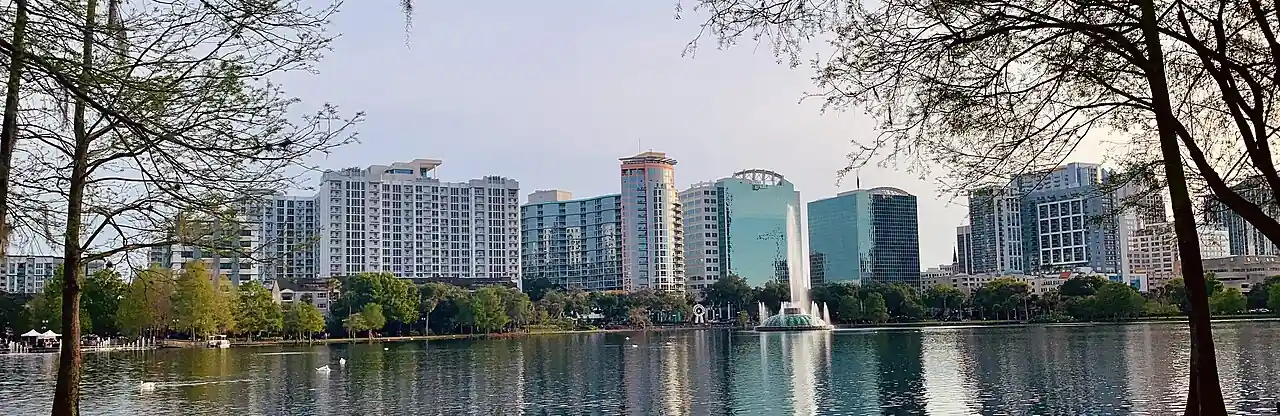
Census figures show how much Orlando housing sits in larger buildings and how old it is. Both shape what the association insures.
- Larger buildings run on a master policy
- Your declaration draws the line
- Aging buildings raise reserve questions
The Census Bureau puts the median year built for Orlando's housing at 199215. Across Orange County, the median is 199416. As any building ages, roofs, plumbing and structural parts come due, and that is where reserves and special assessments enter.
In a building with many units, the master policy covers the structure and the declaration marks where the association's side stops and yours begins. A mid-size building works the same way; size changes the dollars, not the method.
Go deeper: Florida's reserve rule and what it means for your assessments
For budgets adopted on or after Dec 31, 2024, owners in an association that must have a structural integrity reserve study (SIRS) cannot vote to waive or reduce reserves for the items it covers, and those reserves cannot be spent on anything else17 (Fla. Stat. § 718.112(2)(f)2.b., 3.17).
Reserve contributions reach you through regular dues. If reserves run short, closing the gap can mean a larger budget or a special assessment. Loss assessment coverage answers assessments tied to a covered loss, not reserve funding or planned repairs.
Buying from out of state? Ask the manager whether the association must have a SIRS, for the latest study and budget, and whether any structural work or special assessment is planned.
Florida's condo act hands you the interior list
The statute tells the master policy to leave out the unit's interior finishes and equipment. Rented or not, those are yours to insure.
- Coverings, fixtures, appliances and cabinets
- Upgrades a past owner made count too
- A tenant moving in does not shift the list
The association's coverage has to exclude personal property in the unit and, for items serving only that unit, floor, wall and ceiling coverings, electrical fixtures, appliances, water heaters, water filters, built-in cabinets, countertops and window treatments, along with their replacements18 (Fla. Stat. § 718.111(11)(f)3.18).
Under the same section, insuring those items falls to the unit owner19 (Fla. Stat. § 718.111(11)(f)3., (g)19). A landlord owner carries that list exactly as an owner in residence does.
Set Coverage A from what replacing them would cost; the how much condo insurance guide walks through it. The statewide picture is on the Florida condo insurance page.
Go deeper: where a rental unit's upgrades fit
If you refit the unit for renters with new flooring, cabinets or appliances, those replacements join your list. Price them at what it would cost to replace them today, not what you paid.
A freestanding washer or refrigerator you bought for a tenant may land under Coverage A or Coverage C depending on the form. Ask which, and list it once.
Citizens is written for owners who live in the unit
Florida's residual market can step in when private companies decline. Its unit-owner policy is described for owner-occupants.
- Occupancy matters if you rent the unit out
- Dwelling plus contents has a value ceiling
- A wind-only version exists as well
On its list of personal policies, Citizens names two for people who make the condo their home: the HO-6, and the HW-6 that is limited to wind. Between them they reach some interior features, belongings, added living expenses and liability, while the outside of the building stays with the association20.
That occupancy wording matters here if you lease the unit or use it seasonally: ask how Citizens treats your use before you count on it as a fallback.
Value is the second gate. Once dwelling plus contents replacement cost hits $700,000, a single unit falls outside Citizens; the ceiling moves up to units under $1 million in any county the Office of Insurance Regulation finds short of a reasonable degree of competition21 (Fla. Stat. § 627.351(6)(a)3.21).
Go deeper: running the value test on your own unit
Is the higher ceiling open to an Orlando unit? The one determination on record is an order in Case No. 165625-14 from December 22, 2014, in which state regulators named Miami-Dade and Monroe as lacking a reasonable degree of competition and reached no conclusion about Orange22. Before relying on either figure, ask Citizens which ceiling it uses for your unit today.
The test adds Coverage A and Coverage C together, so total both before you check it. Citizens is the state's residual market, and its own rules decide who qualifies; a quote from it, like any other, binds nothing until a policy is issued.
Pull the building's paperwork before you compare
A handful of documents answers most of what an insurer asks about an Orlando unit, and the manager holds many of them.
- Your declarations page and the master certificate
- The declaration's insurance section
- A plain note on how the unit is used
From the association: the master policy certificate or summary, with its deductibles and whether wind is covered on the building, plus the insurance section of the declaration.
From you: your current declarations page, a list of upgrades with replacement costs, and a short description of how the unit is used, including any lease or booking arrangement.
From the county: the Orange County Property Appraiser23 offers a parcel search24 where you can pull up the building's parcel record, including details such as the year it was built.
The declarations page guide shows where each of those lines sits on your policy.
Go deeper: what the state's condo records show for Orange County
The state's County Summary Report, in a file dated 09/26/2026, lists 539 condominium projects for Orange County25, holding 50,823 units26. By DBPR's own description, the report counts only approved and recorded projects with 8 or more units25, so it is not every condominium in the county.
The Division of Florida Condominiums, Timeshares, and Mobile Homes posts that report and a list of condominiums by county27 on its public records page. It may help you confirm the association's registered name before you ask the manager for its insurance papers.
Line up several quotes on the same terms
One company's quote shows one company's view of your unit. Side by side, on equal limits, you see where they part ways.
- Same limits, deductibles and use on each
- Ask which discounts or credits apply
- A quote commits you to nothing
An agent tied to one company can show you that company's policy. Comparing several on identical Coverage A, C and loss assessment limits, with the same hurricane deductible and the same description of how the unit is used, shows whether another company views your unit differently.
Discounts vary by company, so ask each one what applies; the quote lists them. Orlando condo owners can ask for quotes through this site, and the agent who compares them holds a Florida insurance license. Requesting a quote binds no coverage.
State rules in full: condo insurance across Florida. Other Florida city pages: Miami, Fort Lauderdale, Tampa, St. Petersburg.
Orlando condo owner questions
Who qualifies for an HO-6 policy on an Orlando condo you rent out?
Owning the unit is the starting point, but use decides the fit. Each company asks whether you live there, lease it, host short stays or leave it closed part of the year, and some decline certain uses. Citizens describes its HO-6 for owners who live in the unit, so a landlord owner usually starts with private companies and discloses the rental up front.
What is the rule of thumb for condo insurance when you do not live in the unit?
Insure what you would have to replace, not what your tenant owns. That means Coverage A for Florida's interior list and any upgrades, Coverage C only for furnishings you supplied, liability that fits a rented unit, and a loss assessment limit you have checked against your share of the master deductible.
Does an inland Orlando condo still need wind coverage?
Wind is a peril for any building, inland or on the coast, and the storm record above shows what the database logs for the county. Ask whether your HO-6 includes wind, which hurricane deductible you chose, and whether the master policy covers wind on the building. That last answer tells you how exposed you are to an assessment.
Can I keep full coverage on a condo that sits vacant between tenants or seasons?
It depends on the form. Many policies narrow certain coverage once a unit has been unoccupied or vacant for a stretch, and the wording sets the period and the causes affected. Tell the insurer about gaps between leases or seasons, ask what changes, and keep the water off and the unit checked while it is empty.
The unit above keeps leaking into my Orlando condo and the association already knows. What now?
Put every report to the manager and the upstairs owner in writing, with dates and photos. Covered damage to your side of Florida's interior list and your belongings goes on your own HO-6 Fla. Stat. § 718.111(11)(f)3., (g)19, and your insurer may then pursue whoever caused it. Ask the board in writing how the declaration handles fixing the source.
Can I use my Orlando condo on weekends and rent it to vacationers during the week?
Check two things first. The declaration and rules may limit short rentals, so read them or ask the manager. Then tell every insurer exactly how the unit is used, because a policy written for an owner in residence may not fit guest stays. Citizens describes its HO-6 for owners who live in the unit20, so expect to shop private companies.
Our older Orlando building has thin reserves and big repairs ahead. How does that reach unit owners?
For budgets adopted on or after Dec 31, 2024, owners in an association that must have a SIRS cannot vote to skip or cut reserves for the study's items17. A shortfall usually arrives as a larger budget or a special assessment. Loss assessment coverage answers assessments from a covered loss, so it generally does not pay for repairs or reserve funding.
Do I need loss assessment coverage on a condo I lease out?
Yes, and Florida sets the floor: a unit-owner policy must carry at least $2,000 of it for assessments from one covered direct loss7. Renting the unit does not change your share of a building loss. Ask the association for the master deductible and your ownership percentage, then decide whether a higher limit makes sense.
Before you renew, make one call.
A licensed agent compares several companies on the same limits. Asking changes nothing on your policy, and a quote never binds you.